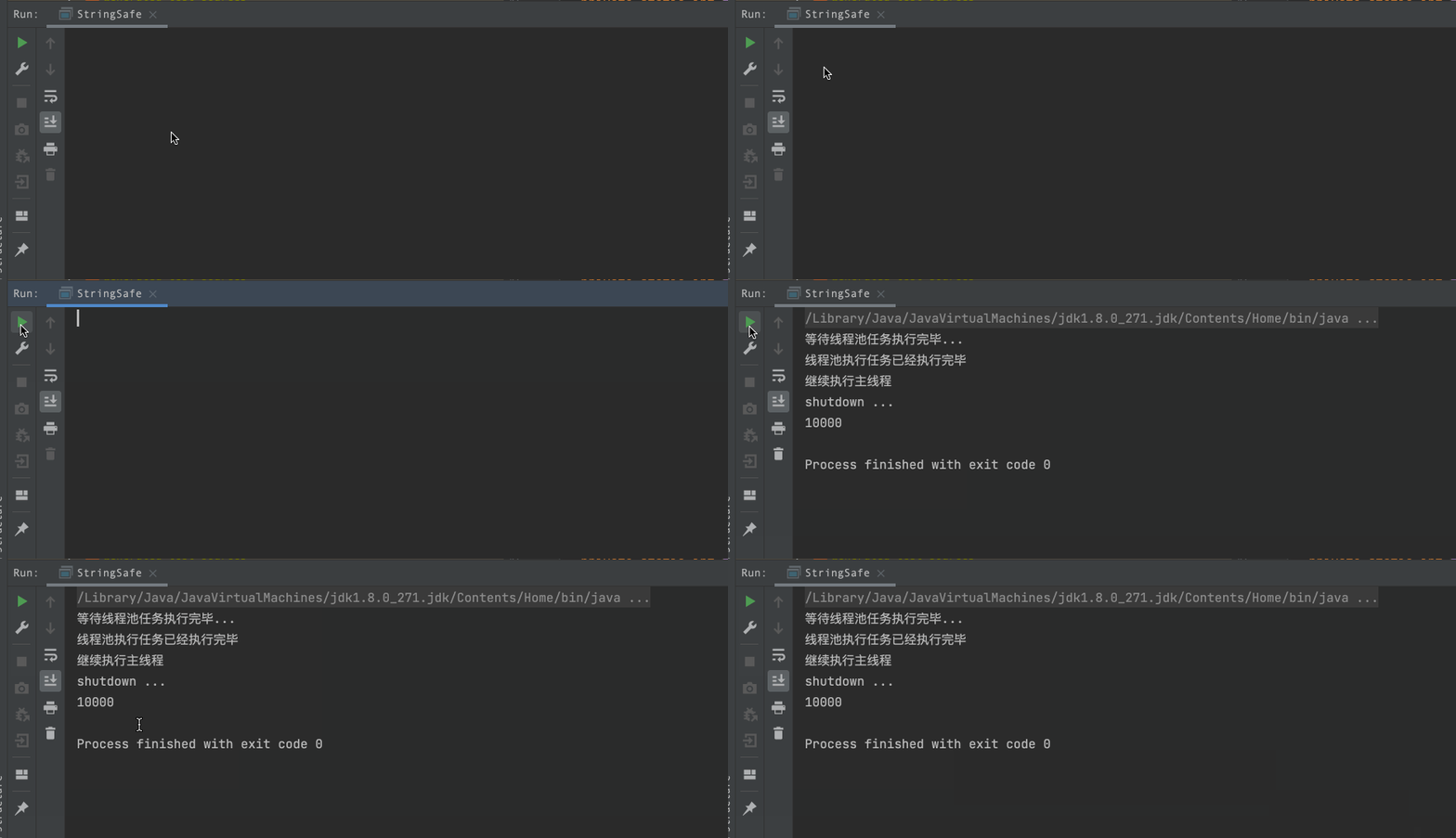
线程不安全类与写法
StringBuilder线程不安全示例
@NotThreadSafe
public class StringNoSafe {
  // 请求总数
  private static int clientTotal = 10000;
  // 并发数
  private static int threadTotal = 100;
  public static StringBuilder stringBuffer = new StringBuilder();

  public static void main(String[] args) {
    StringNoSafe test = new StringNoSafe();
    // 使用并发库,创建缓存的线程池
    ExecutorService executor = Executors.newCachedThreadPool();
    // 创建一个Semaphore信号量,并设置最大并发数为
    final Semaphore semaphore = new Semaphore(threadTotal);
    // 希望所有线程结束再返回主线程,所以是请求总数
    final CountDownLatch countDownLatch = new CountDownLatch(clientTotal);
    // 创建10个任务,上面的缓存线程池就会创建10个对应的线程去执行
    for (int i = 0; i < clientTotal; i++) {
      final int NO = i; // 记录第几个任务
      int finalI = i;
      Runnable task =
          new Runnable() {
            @Override
            public void run() {
              try {
                semaphore.acquire(); // 获取许可
                appendStr();
                semaphore.release(); // 释放许可
              } catch (InterruptedException e) {
                e.printStackTrace();
              }

              countDownLatch.countDown();
            }
          };
      executor.submit(task); // 执行任务
    }
    try {
      System.out.println("等待线程池任务执行完毕...");
      countDownLatch.await();
      System.out.println("线程池执行任务已经执行完毕");
      System.out.println("继续执行主线程");
    } catch (InterruptedException e) {
      e.printStackTrace();
    }

    if (!executor.isShutdown()) {
      executor.shutdown();
      System.out.println("shutdown ...");
    }

    System.out.println(stringBuffer.length());
  }

  private static void appendStr() {
    stringBuffer.append("a");
  }
}
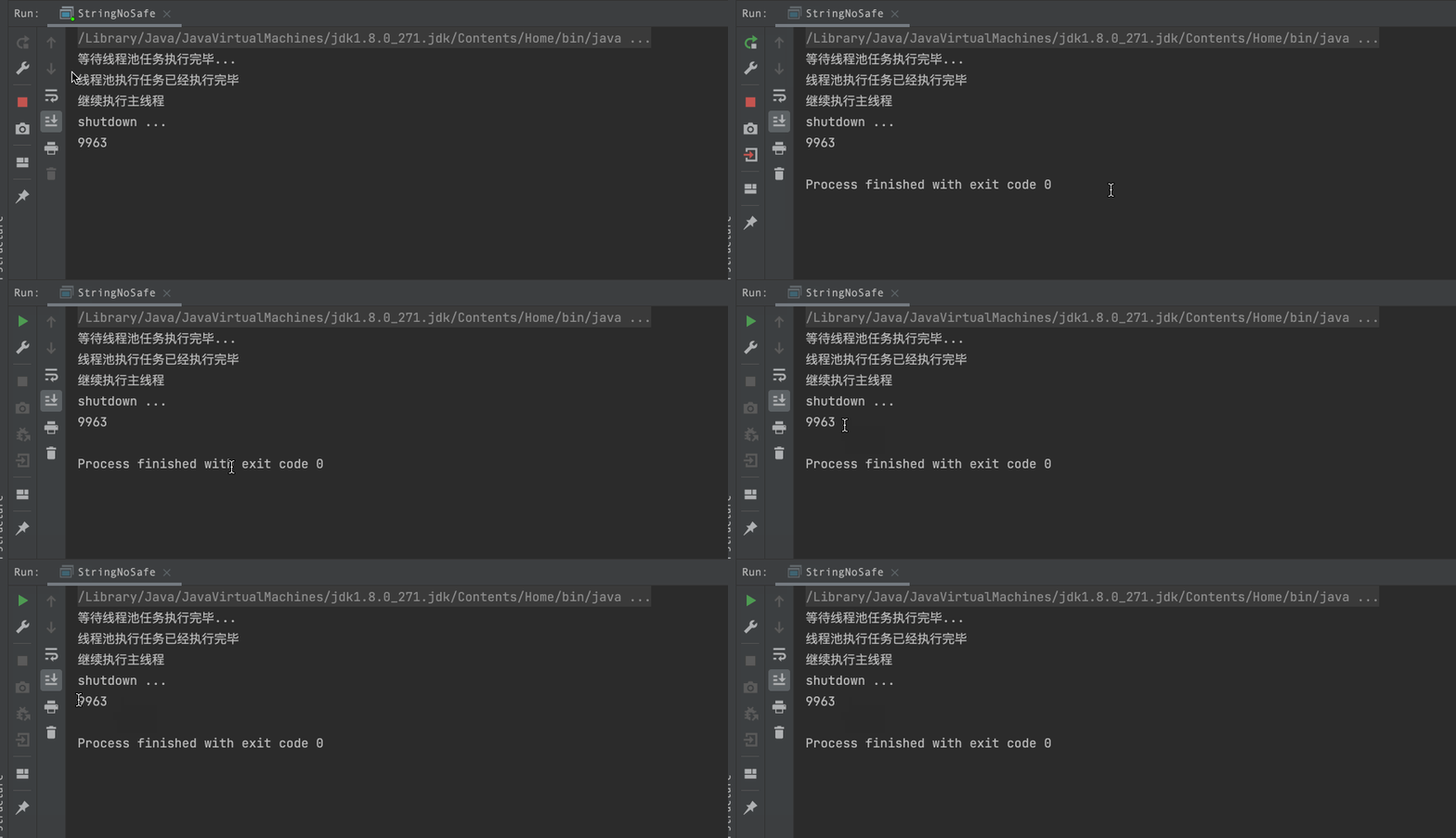
解决办法
package top.xiongmingcai.stringexample;

import top.xiongmingcai.annoations.ThreadSafe;

import java.util.concurrent.CountDownLatch;
import java.util.concurrent.ExecutorService;
import java.util.concurrent.Executors;
import java.util.concurrent.Semaphore;

@ThreadSafe
public class StringSafe {
  // 请求总数
  private static int clientTotal = 10000;
  // 并发数
  private static int threadTotal = 100;
  public static StringBuffer stringBuffer = new StringBuffer();

  public static void main(String[] args) {
    StringSafe test = new StringSafe();
    // 使用并发库,创建缓存的线程池
    ExecutorService executor = Executors.newCachedThreadPool();
    // 创建一个Semaphore信号量,并设置最大并发数为
    final Semaphore semaphore = new Semaphore(threadTotal);
    // 希望所有线程结束再返回主线程,所以是请求总数
    final CountDownLatch countDownLatch = new CountDownLatch(clientTotal);
    // 创建10个任务,上面的缓存线程池就会创建10个对应的线程去执行
    for (int i = 0; i < clientTotal; i++) {
      final int NO = i; // 记录第几个任务
      int finalI = i;
      Runnable task =
          new Runnable() {
            @Override
            public void run() {
              try {
                semaphore.acquire(); // 获取许可
                appendStr();
                semaphore.release(); // 释放许可
              } catch (InterruptedException e) {
                e.printStackTrace();
              }

              countDownLatch.countDown();
            }
          };
      executor.submit(task); // 执行任务
    }
    try {
      System.out.println("等待线程池任务执行完毕...");
      countDownLatch.await();
      System.out.println("线程池执行任务已经执行完毕");
      System.out.println("继续执行主线程");
    } catch (InterruptedException e) {
      e.printStackTrace();
    }

    if (!executor.isShutdown()) {
      executor.shutdown();
      System.out.println("shutdown ...");
    }

    System.out.println(stringBuffer.length());
  }

  private static void appendStr() {
    stringBuffer.append( "a");
  }
}